NYC Tax Preparation Courses: Master Form 1040 & S Corp Elections in 2026
Find the best tax preparation courses in NYC for 2026. Learn Form 1040, S corp elections, quarterly taxes & certification requirements. Career & training guide.

New York City's complex tax landscape demands expertise that goes beyond basic preparation software. Whether you're filing Form 1040 as an individual, navigating S corporation elections with Form 2553, or building a career in tax preparation, the right training can transform confusion into confidence. With 2026's updated tax regulations and NYC's unique local requirements, professional tax preparation courses offer the structured learning and hands-on practice needed to master everything from quarterly estimated taxes to business entity elections. Here's your comprehensive guide to finding the best tax preparation courses in NYC and understanding the foundational knowledge that separates amateur filers from tax professionals.
Understanding Tax Preparation: Beyond Basic Filing
Professional tax preparation encompasses far more than simply entering numbers into software or filling out forms. Tax preparation refers to the comprehensive process of analyzing financial records, understanding applicable tax laws, calculating obligations, identifying deductions and credits, and ensuring accurate compliance with federal, state, and local tax requirements.
The distinction between DIY software and professional preparation becomes clear when complexity enters the picture. While TurboTax or FreeTaxUSA might handle straightforward W-2 scenarios, professional preparers navigate multi-state income, business losses, depreciation schedules, and entity elections that require deep technical knowledge.
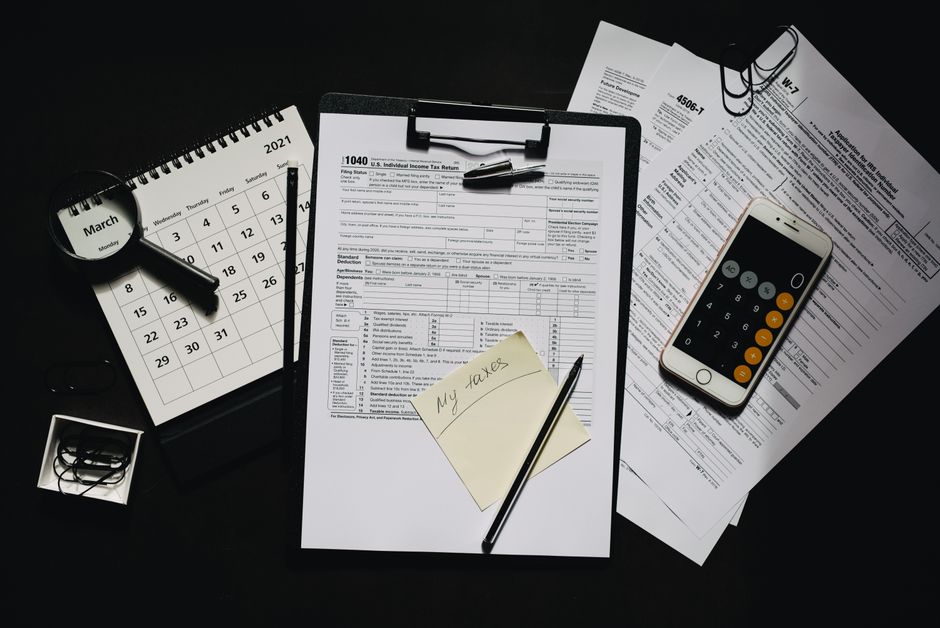
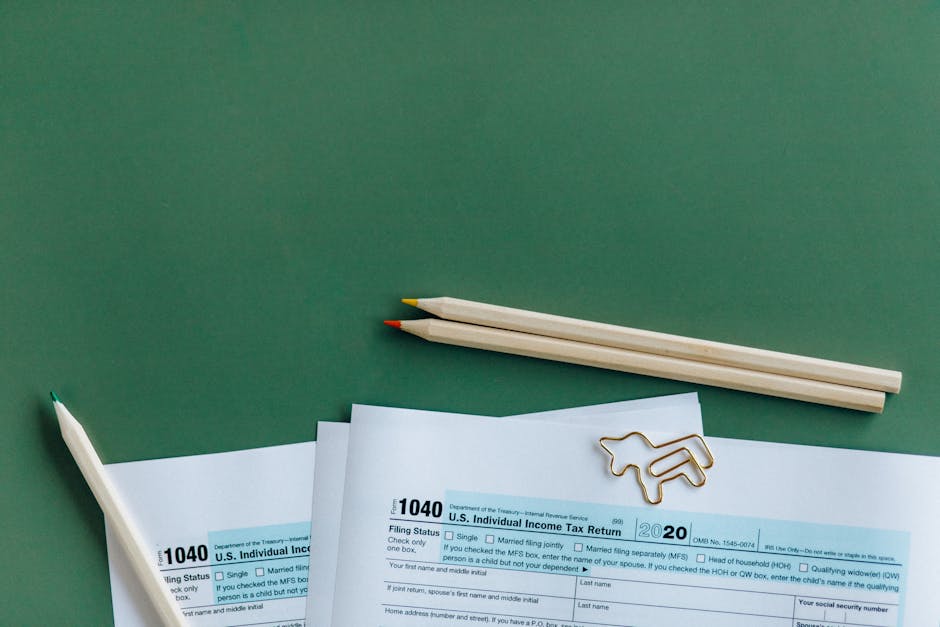
Form 1040 serves as the primary vehicle for US individual income tax filing, but understanding which schedules apply to specific situations separates competent preparers from those who simply fill in blanks. Schedule C for business income, Schedule D for capital gains, Schedule E for rental properties, and Schedule SE for self-employment tax each carry unique requirements and opportunities for optimization.
Business tax forms add another layer of complexity. LLCs filing as sole proprietorships report on Schedule C, while those electing corporate treatment face entirely different obligations. S corporations file Form 1120S, partnerships use Form 1065, and C corporations submit Form 1120. Professional tax preparers must understand when to recommend entity changes and how to execute them properly.
Consider Maria, a freelance graphic designer in Brooklyn who initially used online software but struggled with quarterly estimated tax calculations and home office deduction optimization. After her tax preparer explained the Section 199A qualified business income deduction and proper record-keeping for business expenses, her tax liability decreased by $3,200 while maintaining full compliance.
Top Tax Preparation Courses Available in NYC (2026)
National Chain Training Programs
H&R Block Income Tax Course maintains multiple NYC locations including Manhattan (Times Square and Financial District), Brooklyn (Downtown and Bay Ridge), Queens (Flushing and Astoria), and the Bronx (Fordham). Their 2026 curriculum covers fundamental tax law, Form 1040 preparation, business basics, and ethics requirements. The course typically runs 10-12 weeks with evening and weekend options to accommodate working adults.
Jackson Hewitt offers comprehensive tax preparation training through their NYC-area offices. Their program emphasizes hands-on practice with actual tax scenarios, including complex situations involving multiple income sources, itemized deductions, and business entities. Students receive access to professional-grade tax software and ongoing support throughout the filing season.
Educational Institutions
Borough of Manhattan Community College provides continuing education tax preparation courses through their Workforce Development division. Their program covers both individual and business tax preparation, including New York State and City tax requirements specific to NYC residents and businesses. The curriculum includes 40 hours of instruction plus practical workshops.
LaGuardia Community College in Queens offers a comprehensive Tax Preparer Certificate Program that combines online learning with in-person labs. Their 2026 program emphasizes small business taxation, including LLC and S corporation elections, making it ideal for entrepreneurs seeking to understand their own tax obligations while potentially launching a preparation business.
Bronx Community College provides evening tax preparation courses designed for career changers and small business owners. Their program includes specialized modules on 1099 contractor reporting, payroll tax compliance, and NYC-specific tax requirements that affect local businesses.
Online and Hybrid Options
Several programs offer flexible online learning with optional in-person components. These work particularly well for busy professionals who need scheduling flexibility while still receiving structured education and expert guidance.
Essential Tax Concepts Covered in Professional Courses
Individual Income Tax Mastery
Professional courses dive deep into Form 1040 preparation, covering not just basic wage reporting but complex scenarios involving multiple income streams. Students learn to navigate Schedule C business income, Schedule D capital gains calculations, and Schedule E rental property reporting. The courses emphasize understanding rather than memorization, teaching the underlying tax principles that allow preparers to handle unusual situations confidently.
Advanced individual tax topics include retirement account distributions, Social Security taxation, alternative minimum tax calculations, and coordination between federal and state returns. NYC-specific requirements, including city income tax and resident vs. non-resident determinations, receive particular attention given the metropolitan area's complex commuting patterns.
Business Entity Elections and Form 2553
S corporation tax election with Form 2553 represents one of the most impactful decisions small business owners make, and professional courses provide thorough coverage of this critical topic. Students learn the eligibility requirements, timing considerations, and ongoing compliance obligations that accompany S corporation status.
Take James, a restaurant owner who operated as an LLC until completing advanced business tax training at LaGuardia Community College. Understanding the potential payroll tax savings available through S corporation election, he filed Form 2553 and restructured his compensation. The change saved him $4,800 annually in self-employment taxes while maintaining his business's operational flexibility.
The courses cover practical Form 2553 preparation, including shareholder consent requirements, effective date elections, and coordination with state-level S corporation elections. Students practice evaluating whether S corporation status makes sense given specific business circumstances, including income levels, multiple owners, and growth projections.
Quarterly Estimated Tax Systems
Professional preparers must master quarterly estimated tax calculations for both individuals and businesses. Courses teach the safe harbor rules, annualized income exceptions, and penalty avoidance strategies that keep clients compliant while optimizing cash flow.
The training includes practical workshops where students calculate estimated taxes for freelancers with variable income, seasonal businesses, and rental property owners. Understanding when to use the prior year safe harbor versus current year projections can save clients significant penalties and interest charges.
Career Opportunities and Certification Requirements
IRS and State Requirements
The IRS Annual Filing Season Program provides voluntary certification for tax preparers who complete continuing education requirements. While not mandatory, AFSP credentials demonstrate professional competency and commitment to ongoing learning. Participants must complete 18 hours of continuing education annually, including federal tax law updates, ethics requirements, and return preparation practice.
New York State requires tax preparers to register and meet minimum competency standards. The registration process includes background checks, competency testing, and annual renewal requirements. Professional courses help students navigate these requirements and maintain compliance throughout their careers.
Income Potential and Seasonal Considerations
Entry-level tax preparers in NYC typically earn $18-25 per hour during filing season, with experienced preparers commanding $25-40 hourly. Year-round positions with accounting firms or corporate tax departments offer $45,000-75,000 annually for qualified professionals.
Successful independent practitioners often earn significantly more by building specialized expertise in areas like small business taxation, multi-state returns, or specific industries. The key lies in developing competencies that justify premium pricing while building long-term client relationships that extend beyond filing season.
Sarah completed H&R Block's training program in 2024 and now operates a successful seasonal tax business in Queens. By specializing in small business returns and maintaining relationships with local entrepreneurs, she generates $35,000-45,000 during the four-month filing season while pursuing other interests year-round.
Building Client Relationships
Professional courses emphasize client communication skills alongside technical competency. Students learn to explain complex tax concepts in understandable terms, manage client expectations, and provide proactive planning advice that extends relationships beyond annual filing obligations.
The most successful preparers develop ongoing advisory relationships, providing quarterly estimated tax guidance, year-end planning strategies, and business structure optimization advice that creates value throughout the year.
Choosing the Right Course for Your Goals
Evaluating Course Options
Course selection depends on your specific objectives, schedule constraints, and learning preferences. Those seeking seasonal employment might prioritize speed and job placement assistance, while aspiring independent practitioners need comprehensive business tax coverage and ongoing support systems.
Cost considerations range from free community programs to $2,000+ comprehensive certifications. H&R Block and Jackson Hewitt often provide free training in exchange for seasonal employment commitments, making them attractive for career changers testing the waters. Community colleges offer middle-ground options with solid instruction at reasonable cost.
Schedule flexibility varies significantly between programs. Evening and weekend options accommodate working adults, while intensive daytime programs allow faster completion. Online components provide additional flexibility but may sacrifice hands-on practice opportunities.
Prerequisites and Background Knowledge
Most programs assume basic math competency and computer literacy but don't require prior tax experience. However, students with business ownership experience, bookkeeping backgrounds, or previous exposure to tax concepts typically progress faster and achieve better outcomes.
Job Placement and Networking
National chains provide direct placement opportunities but may limit earning potential and client relationship development. Independent courses often offer stronger networking opportunities and preparation for autonomous practice.
Professional associations like the National Association of Tax Professionals provide ongoing education, networking events, and business development resources that extend well beyond initial course completion.
The most successful course graduates continue learning through professional publications, advanced seminars, and specialized certifications that build expertise in profitable niches like estate taxation, international returns, or specific business sectors.
Quality tax preparation education provides both immediate employment opportunities and long-term career flexibility. Whether pursuing seasonal income, career change, or small business optimization, NYC's diverse course options offer pathways to tax expertise that serves both professional goals and personal financial understanding.