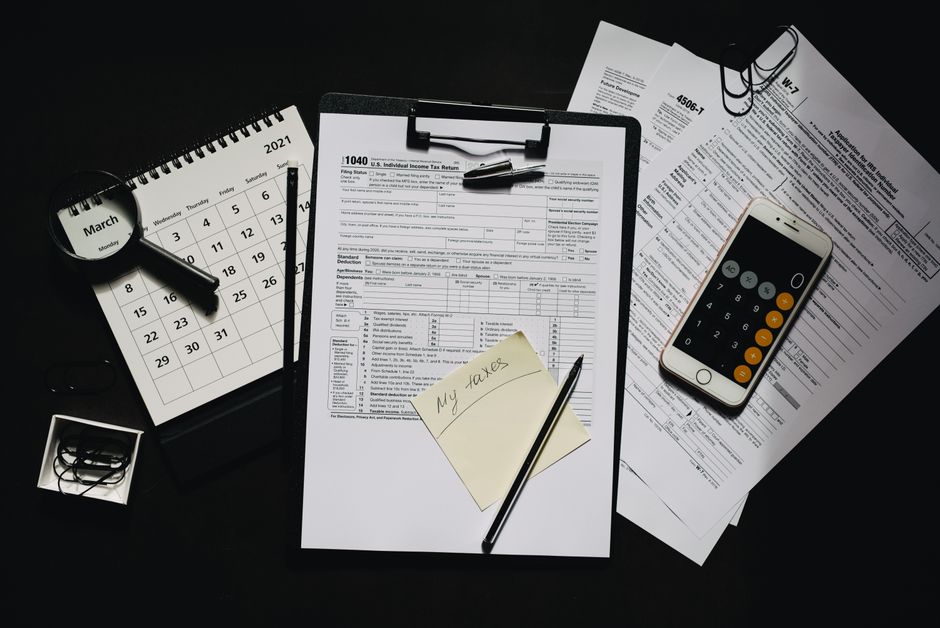
Tax Preparation in Chicago: Why Your Preparer Matters More Than Your Software
Tax preparation in Chicago means navigating Illinois credits, multi-state income, and IDOR notices. Learn how to vet a preparer who won't miss what matters.


Chicago has a tax personality problem: you're filing a federal return, an Illinois return, and sometimes a return for the state you used to live in or still work in, all while trying to figure out which of the state's credits actually apply to you. Plenty of posts will tell you Illinois taxpayers left real money on the table last year by skipping credits they qualified for. Fewer explain why that keeps happening and what a Chicago-savvy preparer actually does differently to stop it from happening to you.
Key Takeaways (the short version)
- Illinois has a flat income tax rate and no separate Chicago city income tax, but that simplicity hides plenty of traps.
- A preparer who only knows generic federal rules can easily miss Illinois-specific credits and filing quirks.
- Commuters, gig workers, and multi-state earners in the Chicago area face reconciliation issues software alone often flags wrong.
- The Illinois Department of Revenue runs its own portal, MyTax Illinois, separate from the IRS, with its own notices and deadlines.
- Vetting a preparer by credentials and Illinois-specific questions matters more than picking the cheapest option.
Why Chicago Tax Prep Isn't the Same as Generic Illinois Tax Prep
Chicago filing feels simple on paper because Illinois runs a flat state income tax rate, but a flat rate only simplifies the math, not the return itself. The city's mix of freelancers, remote employees working for out-of-state companies, and residents who split time across state lines turns "simple" into a trap for anyone who files on autopilot.
Chicago doesn't charge its own city income tax, full stop. But don't mistake that for a free pass. Property tax bills, local sales tax rates, and business licensing requirements all still feed into your real tax picture, and a preparer who treats Chicago like any other Illinois zip code will miss how those pieces interact.
Multi-state income is where things really get messy. A lot of Chicago-area workers earn W-2 or 1099 income tied to Indiana or Wisconsin, which means dealing with reciprocity rules and credit-for-taxes-paid calculations that a generalist preparer can botch without even realizing it.
And if you're self-employed, you're not just managing IRS quarterly estimates. Illinois has its own estimated tax requirements running on a parallel track, and missing one while nailing the other still gets you a penalty letter.
What a Good Chicago Preparer Actually Checks For
A good preparer actively hunts for Illinois-specific credits instead of waiting for you to mention them. Illinois keeps a running list of state-level credits covering things like property tax relief and education-related expenses, and they go unclaimed constantly because nobody asked the right question at the right time.
Before anyone calls your return "simple," a solid preparer should be asking about:
- K-12 tuition or homeschool-related expenses
- Property tax paid on your primary residence
- Dependent care costs
- Any income or deductions that might trigger Illinois-specific addition or subtraction modifications
That last one matters more than people think. Your federal adjusted gross income and your Illinois return don't automatically line up. Preparers have to cross-check the two, because an unflagged modification can throw off what you owe or what you're refunded.
Here's a blunt litmus test: ask your preparer, "Which Illinois credits did you check for on my return?" If you get a vague answer or a shrug, that's your sign to look elsewhere. For a full rundown of what's available, Illinois keeps an updated list worth checking directly rather than relying on last year's memory of the rules.
DIY Software, National Chains, or a Local CPA: Who Actually Catches Illinois-Specific Issues?
The honest answer: it depends on how complicated your financial life actually is, and most people underestimate their own complexity. Software is built for volume and federal accuracy first. National chains vary wildly by location. Local CPAs and enrolled agents who know Chicago's commuter and gig patterns tend to catch what the other two miss.
Consumer tax software isn't bad at what it's designed for, which is processing federal returns at scale—the real challenge is mastering tax preparation online without missing valuable deductions. The problem is that Illinois-specific credits often sit behind optional prompts that are easy to click past if you don't know to look for them. The software assumes you know what to flag. That's a bad assumption for most filers.
National tax prep chains land somewhere in the middle. Training depth varies by location and by the individual preparer you get assigned, and if you're self-employed or earning income across state lines, you might get someone who's never handled your exact situation. Tax preparation is a growing field: employment of tax preparers projected to grow 10% from 2020 to 2030. That growth means more preparers entering the field every season, not all with the same depth of experience, since many enter through tax preparation classes rather than years of client work.
A local CPA or enrolled agent who actually works with Chicago clients year-round is a different animal. They've seen the Indiana commuter, the Wisconsin transplant, the freelancer billing three states at once. They know what questions to ask because they've been burned by not asking before.
If your income or household qualifies, it's also worth knowing that free help exists. Ladder Up's Tax Assistance Program provides free basic return preparation for families earning up to $67,000 and individuals under a lower threshold, with clinics running across the Chicago area through locations like the Chicago Public Library.
AARP Foundation Tax-Aide runs a similar IRS-certified volunteer program nationally. These aren't built for complex multi-state or self-employment situations, but if your return is genuinely simple and your income qualifies, they're a legitimate option worth knowing about.
Here's how the main paid options stack up, since what actually drives the price of tax preparation varies a lot by provider:
| Option | Typical Cost Range | Illinois-Specific Knowledge | Best For |
|---|---|---|---|
| DIY tax software | Low to moderate | Relies on user answering prompts correctly; easy to miss state-specific credits | Simple W-2 returns, single state, no self-employment income |
| National tax prep chain | Moderate | Varies by location and preparer training | Straightforward returns needing a human check without much complexity |
| Local Chicago CPA or EA | Moderate to higher | Typically strong on multi-state issues, self-employment, and Illinois credits | Freelancers, small business owners, multi-state earners, anyone with a prior IDOR notice |
A Chicago freelancer billing clients in both Illinois and Indiana needs someone who understands reciprocity and credit-for-taxes-paid rules cold, not someone looking them up mid-appointment. That's not a knock on software or chains generally. It's just a matter of matching the tool to the job.
Working With the Illinois Department of Revenue Without Losing Your Mind
The Illinois Department of Revenue, or IDOR, is a completely separate agency from the IRS, with its own portal, its own notices, and its own timelines. Treating an IDOR letter like an IRS letter, or ignoring it because "the IRS already cleared me," is how small issues turn into bigger ones.
IDOR runs MyTax Illinois, the state's online system for filing returns, making payments, and checking refund status. You don't have to log into it yourself if your preparer e-files for you, but it's genuinely useful when you need to check something directly or respond to a notice without waiting on a callback.
Speaking of notices: IDOR correspondence looks different from what the IRS sends, and it usually means something less dramatic than an audit. Most of the time it's a withholding mismatch, an estimated payment shortfall, or a missing schedule, not a sign you're in serious trouble.
On deadlines, Illinois individual returns (Form IL-1040) generally track the federal filing deadline. The 2025 tax year return was due by April 15, 2026. The 2026 tax year return will be due by April 15, 2027, unless that date shifts because of a weekend or federal holiday, so always confirm the exact date for the year you're filing rather than assuming.
If an IDOR letter lands in your mailbox, don't panic and don't shove it in a drawer. Read it, note the response deadline, respond through MyTax Illinois or in writing, and loop in your preparer immediately. Waiting rarely helps and often costs you options.
How to Vet a Chicago Tax Preparer Before You Hand Over Your Documents
Vetting a preparer is less about finding the cheapest rate and more about confirming they can actually handle your situation before you're committed. A few direct questions up front save you from discovering gaps after your return is already filed.
Start with credentials. Anyone paid to prepare returns needs a valid PTIN from the IRS, full stop, and you should know whether you're working with a CPA, an enrolled agent, or a non-credentialed preparer. That distinction matters more once your return gets complicated.
Ask how many Illinois returns they handle in a typical season, and whether they regularly deal with multi-state or self-employment situations similar to yours. A preparer who mostly does simple W-2 returns isn't necessarily bad, but they're the wrong fit if you're freelancing across state lines.
Find out who actually prepares and signs your return. At bigger firms, your paperwork can pass through multiple hands before it's finalized, and that's worth knowing upfront, not after the fact.
Finally, ask what happens if IDOR or the IRS sends a notice after filing. Is follow-up support part of the deal, or does that turn into a separate bill?
The stakes here are real: a federal court permanently shut down a Chicago-area tax preparer whose fraudulent filings caused a confirmed tax loss of $278,461 from just 38 customers' 2018 returns, according to the Department of Justice. That's an extreme case, but it's a real reminder that who prepares your return matters, not just what it costs.
A Chicago homeowner who never mentions their property tax payments to their preparer can miss a credit tied directly to that expense. A remote employee who moved to Chicago mid-year from Wisconsin needs someone who actually understands part-year residency rules on both state returns, not someone guessing. These aren't edge cases. They're Tuesday for a lot of Chicago filers.
The Bottom Line
Illinois's flat tax rate makes the math simple, but simple math doesn't mean simple filing, especially in a city full of freelancers, commuters, and multi-state earners. The preparer you choose, not just the software you run, decides whether you actually capture the credits you're owed through smart federal and state strategies and stay on good terms with the Illinois Department of Revenue.
Frequently Asked Questions
Does Chicago have its own city income tax on top of Illinois and federal taxes?
No. Chicago residents pay federal income tax and Illinois's flat state income tax, but there's no separate municipal income tax. Property tax and sales tax are where the city and county do their own thing.
What tax credits are available in Illinois that a preparer might miss?
Illinois offers credits tied to property tax paid, K-12 education expenses, and dependent or earned income situations, among others on a list that changes periodically. Check the state Department of Revenue's current list or ask your preparer directly which ones they checked.
What is MyTax Illinois and do I need to use it myself?
MyTax Illinois is the state's online portal for filing returns, making payments, and checking refund status, run by the Illinois Department of Revenue. You don't have to use it yourself if your preparer e-files on your behalf, but it's useful for checking status or responding to a notice directly.
Is it worth paying for a CPA if I just have a W-2 job in Chicago?
Probably not, if your situation is genuinely simple: one employer, no side income, no multi-state wrinkle. Once you add freelance income, rental property, or out-of-state work, the math on paying for expertise usually flips.
What should I do if I get a notice from the Illinois Department of Revenue?
Read it carefully, note the response deadline, and don't assume it's an audit. Most notices involve mismatched withholding or missing documentation, and you can often resolve them through MyTax Illinois or by contacting your preparer before the deadline listed.