Complete Form 2553 Instructions: File S Corp Election Without Costly Mistakes
Master Form 2553 filing with step-by-step instructions. Avoid IRS rejections, meet deadlines, and save thousands in self-employment taxes with S Corp election.

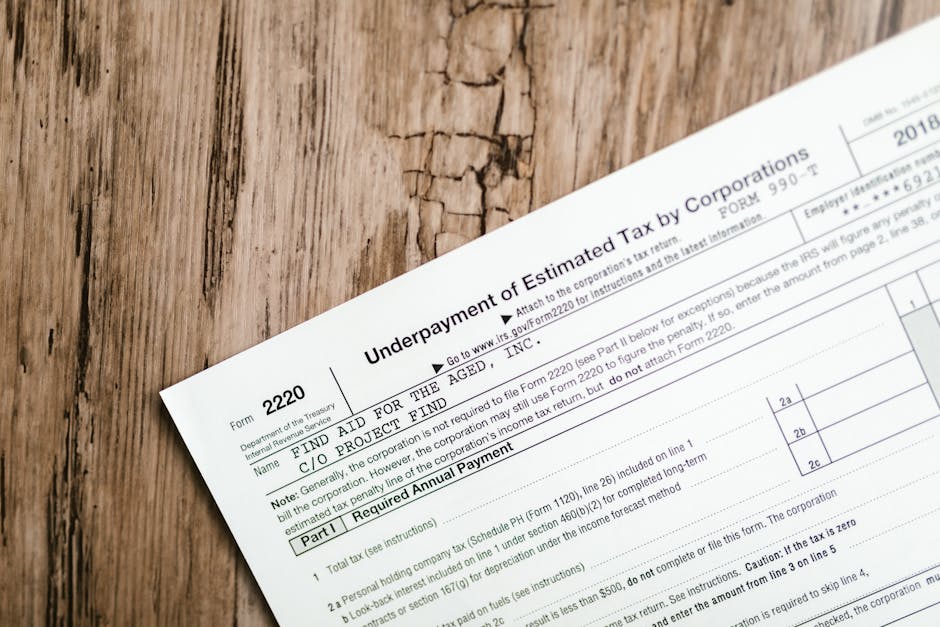
Filing Form 2553 to elect S Corporation tax status can save your business thousands in self-employment taxes annually, but the IRS requirements and deadlines are strict—one missed detail can void your election entirely. Whether you're launching a new LLC or converting an existing C Corporation, understanding Form 2553 instructions is crucial for maximizing tax benefits while avoiding costly compliance mistakes. This comprehensive guide walks you through every step of the S Corp election process, from eligibility requirements to common filing errors that trigger IRS rejections.
Understanding S Corporation Tax Election: What Form 2553 Accomplishes
Form 2553 serves as your business's formal request to the IRS for S Corporation tax treatment, fundamentally changing how your entity pays federal taxes. Unlike C Corporations that face double taxation—paying corporate income tax plus shareholder taxes on distributions—S Corporations enjoy pass-through taxation where profits and losses flow directly to owners' personal tax returns.
The most significant advantage involves self-employment tax savings. When your LLC is taxed as a sole proprietorship or partnership, you pay 15.3% self-employment tax on all business profits. With S Corp election, you only pay self-employment tax on reasonable salary payments to shareholder-employees, not on distributions of remaining profits.
Consider this example: Sarah's consulting LLC generates $50,000 annual profit. As a single-member LLC, she pays $7,065 in self-employment taxes (($50,000 - $400) × 92.35% × 15.3%). With S Corp election, she pays herself a $30,000 reasonable salary (subject to payroll taxes) and takes $20,000 as distributions. Her self-employment tax savings total approximately $3,200 annually.
However, S Corp election isn't universally beneficial. The break-even point typically occurs around $40,000-$60,000 in business profits, depending on your specific situation. Below this threshold, the added complexity of payroll processing and additional tax filings often outweigh the tax savings.
What is the meaning of tax preparation? in the S Corp context extends beyond annual returns. You'll need to coordinate payroll tax compliance, quarterly estimated payments, and Schedule K-1 distributions to shareholders—making proper planning essential from day one.
Form 2553 Eligibility Requirements and Pre-Filing Checklist
Before diving into Form 2553 instructions, verify your business meets all IRS S Corp eligibility requirements. Domestic corporations and LLCs can elect S Corporation status, but strict ownership rules apply.
Shareholder and Ownership Requirements
Your business cannot have more than 100 shareholders, though family members count as single shareholders under certain circumstances. S Corporations can maintain only one class of stock, meaning all shares must carry identical rights to distributions and liquidation proceeds—though voting differences are permitted.
Prohibited shareholders include:
- Partnerships
- C Corporations
- Most trusts (except specific grantor and testamentary trusts)
- Non-resident alien individuals
- Most LLCs (unless electing corporate taxation first)
Entity Structure Prerequisites
LLCs seeking S Corp election must first elect corporate tax treatment using Form 8832, then file Form 2553. This two-step process often confuses new filers, but both elections can be made simultaneously using Form 2553 alone if filed timely.
Newly formed corporations can file Form 2553 immediately after incorporation, while existing C Corporations face more complex timing considerations for avoiding built-in gains taxes.
State-Level Coordination
Most states automatically recognize federal S Corp elections, but separate state filings may be required. States like New York and California impose additional taxes on S Corporations, potentially reducing federal tax benefits. Research your state's requirements before filing Form 2553 to ensure the election makes financial sense.
Step-by-Step Form 2553 Instructions and Filing Process
Form 2553 contains five parts, though most businesses only complete Parts I and II. Here's how to navigate each required section:
Part I: Basic Corporation Information
Lines 1-6 capture standard business details:
- Entity name exactly as shown on incorporation documents
- Employer Identification Number (EIN)
- Complete business address
- Date and state of incorporation
- Principal business activity and product/service description
Line 7 requires your election effective date. For new entities, this should match your desired tax year start date. Existing C Corporations typically elect the first day of their current tax year.
Part II: Selection of Fiscal Year
Most S Corporations must adopt a calendar year (ending December 31) unless qualifying for natural business year treatment or making a Section 444 election. Line H requires all shareholders to sign and date the form—missing signatures represent the most common rejection reason.
Each shareholder must provide:
- Legal name and address
- Social Security Number or Individual Taxpayer Identification Number
- Number of shares owned
- Dates shares were acquired
- Signature and date
Critical Filing Deadlines
The 75-day rule governs Form 2553 timing and strategic election dates. Elections must be filed within 75 days of:
- Incorporation date for new corporations
- First day of the tax year the election should take effect
For example, a corporation incorporated on January 15, 2026, wanting S Corp treatment effective January 1, 2026, must file Form 2553 by March 16, 2026 (75 days from January 1).
Late Election Relief procedures under Revenue Procedure 2013-30 allow missed deadlines if you meet specific requirements, including reasonable cause and acting as if the election were effective.
Where and How to File
Mail completed Form 2553 to the IRS Service Center serving your business location. The IRS typically processes elections within 60 days, sending confirmation letters to approved applicants. No filing fee applies to Form 2553.
Common Form 2553 Mistakes and IRS Rejection Triggers
Understanding frequent filing errors helps avoid costly delays and rejected elections.
Incomplete Shareholder Information
Missing shareholder signatures account for over 40% of Form 2553 rejections. Every shareholder—including single-member LLC owners—must personally sign and date the form. Unsigned forms receive automatic rejection letters, requiring refiling and potential late election relief requests.
Corporate officers cannot sign on behalf of individual shareholders, and electronic signatures aren't accepted for mailed forms.
Incorrect Tax Year Selections
S Corporations face restricted fiscal year options. Selecting a non-calendar year without proper justification or required elections triggers rejection. Most businesses should accept the default calendar year unless specific business reasons warrant different timing.
Entity Structure Issues
LLCs failing to elect corporate taxation before S Corp election face rejection. The IRS cannot grant S Corporation status to entities taxed as partnerships or sole proprietorships. File Form 8832 first, or include corporate election language in your Form 2553 filing.
Timeline Calculation Errors
Incorrect deadline calculations frequently cause problems. The 75-day period begins on the first day of the intended tax year, not the incorporation date for existing entities changing tax years. Count carefully and consider weekends and holidays in deadline calculations.
Post-Election Tax Obligations and Ongoing Compliance
Successful S Corp election creates immediate and ongoing tax obligations requiring careful attention to deadlines and requirements.
Annual Filing Requirements
S Corporations must file Form 1120S annually by March 15th (or the 15th day of the third month following tax year-end for fiscal year filers). This information return reports business income, deductions, and shareholders' distributive shares.
Each shareholder receives Schedule K-1 reporting their portion of business income, losses, deductions, and credits. Shareholders report K-1 information on their personal returns, paying individual income tax rates on their allocated shares.
Payroll Tax Obligations
Shareholder-employees must receive reasonable compensation subject to payroll taxes. The IRS scrutinizes salary levels, particularly in profitable S Corporations where owners might attempt to minimize payroll taxes through artificially low wages.
Reasonable salary determination considers:
- Industry compensation standards
- Individual qualifications and experience
- Time devoted to business activities
- Business size and complexity
- Compensation paid to non-shareholder employees
Quarterly Tax Planning
S Corporation shareholders typically make quarterly estimated tax payments covering their allocated share of business income. Unlike LLC owners who pay self-employment tax through estimated payments, S Corp shareholder-employees satisfy employment tax obligations through payroll withholding.
Revocation Considerations
S Corporation elections remain effective until formally revoked or terminated. Voluntary revocation requires majority shareholder consent and creates a five-year waiting period before re-election. Involuntary termination occurs when eligibility requirements are violated, such as exceeding 100 shareholders or creating multiple stock classes.
Monitor your business growth and ownership changes to ensure continued S Corp eligibility. Regular review prevents inadvertent termination and allows proactive planning for ownership transitions or business expansion that might affect election status.