Income Tax Filing 2026: Which Deadline You're Really Facing Right Now
Confused by income tax filing 2026 deadlines? See which dates already passed, what's due October 15, and when self-employment tax payments hit next.

If you searched "income tax filing 2026" hoping for a straightforward due date, here's the twist: depending on which deadline you mean, you might be too late, right on time, or way ahead of the game. Tax year 2025 returns came due back in April 2026, but if you filed an extension, the clock is still ticking toward October 2026. Add in self-employment tax, quarterly payments, and S-corp election windows, and "2026" starts meaning about six different things depending on who's asking.
Key Takeaways
- The regular deadline for 2025 tax year returns was April 15, 2026, and that date has already passed.
- If you filed an extension, your real deadline lands on October 15, 2026, not a day later.
- Self-employed filers still owe a fourth quarterly estimated payment for tax year 2026, due January 15, 2027.
- The S corporation election deadline for tax year 2026 was March 15, 2026, so missing it means planning for March 15, 2027 instead.
- Tax year 2026 returns, the ones covering income you're earning in the current calendar year, won't be due until April 15, 2027.
Wait, Which 2026 Deadline Are You Actually Asking About?
Here's the short answer: "2026" gets attached to at least two different tax years, and that's the whole source of confusion. Tax year 2025 returns got filed in 2026. Tax year 2026 returns won't get filed until 2027. Same calendar year, two completely different filing clocks.
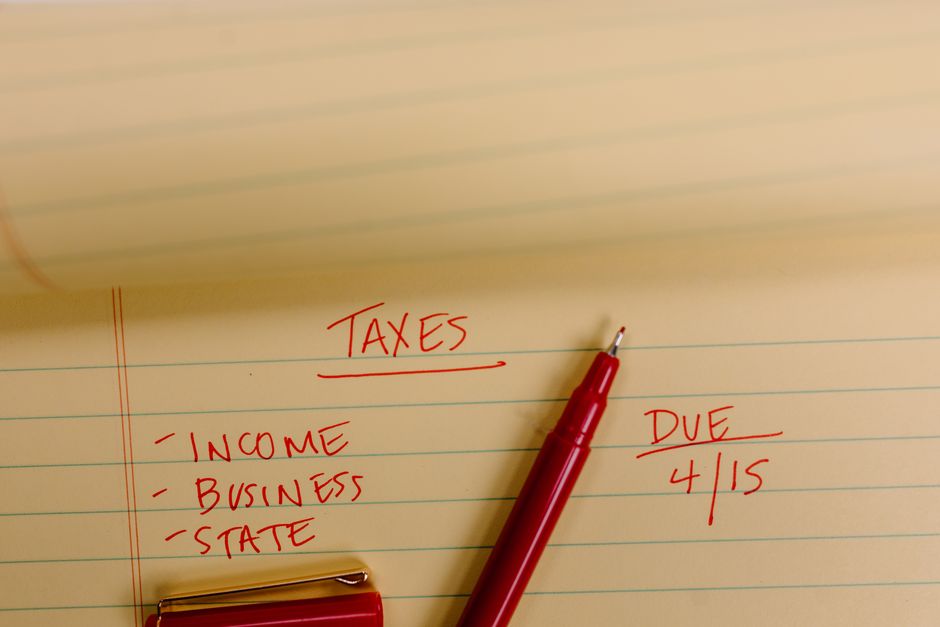
The standard April deadline for 2025 tax year returns, laid out in the 2025 tax filing requirements, was April 15, 2026. If you're reading this after that date, that deadline is behind you: you either filed or you didn't, and the penalty clock started the day after.
But a huge number of people didn't file by April. They filed for an extension instead, and that's where things get live again. If that's you, your paperwork is due October 15, 2026. That date doesn't move for weekends, doesn't move for excuses, and doesn't care that you've been putting it off since spring.
Honestly, this mix-up is the number one reason people either panic over a deadline they already cleared, or breeze past one they still have. Know which tax year your return covers before you decide how worried to be.
What's Actually Left on the 2026 Tax Calendar
Short version: if you extended, October 15 is your deadline. If you're self-employed, a quarterly payment is still coming. And the next full filing season doesn't open until early 2027. Everything else from the 2025 tax year cycle has already wrapped up.
Let's break down what's genuinely still on the table.
Extension filers have until October 15, 2026 to submit that 2025 tax year return, penalty-free, assuming you paid your estimated balance back in April, though it's worth checking which federal tax deductions you can still claim before that date. That "assuming" matters a lot. The extension bought you time to file, not time to pay. If you owed money and didn't send it, interest has been accruing since April whether you've thought about it or not.
Self-employed folks and small business owners are still on the hook for a fourth quarterly estimated tax payment for tax year 2026, due January 15, 2027. That's a completely separate obligation from anything related to your 2025 return. People conflate the two constantly, and it costs them.
The next full filing season doesn't start until early 2027, when tax year 2026 returns become due, with the standard deadline landing April 15, 2027. That's a long way off, but the income you're earning right now is what that return will report.
One more thing worth saying plainly: contribution limits, credit amounts, and deduction thresholds get adjusted every year. Don't trust a number you saw last tax season. Check the IRS website for the current figures before you file anything.
For a quick visual of where everything stands, here's the full rundown.
2026 Tax Deadlines at a Glance
| Deadline | What It Covers | Status as of Late September 2026 |
|---|---|---|
| April 15, 2026 | Standard filing deadline for tax year 2025 returns | Already passed |
| October 15, 2026 | Extended filing deadline for tax year 2025 returns | Approaching, not yet passed |
| September 15, 2026 | Q3 estimated tax payment for tax year 2026 | Already passed |
| January 15, 2027 | Q4 estimated tax payment for tax year 2026 | Not yet due |
| March 15, 2026 | S-corp election deadline for tax year 2026 | Already passed |
| April 15, 2027 | Standard filing deadline for tax year 2026 returns | Not yet due |
Self-Employment Tax in 2026: The Part Freelancers Keep Underestimating
Self-employment tax covers your Social Security and Medicare contributions if you earn 1099 income, and it sits on top of your regular income tax, not instead of it, a distinction covered in more depth in these self-employment tax rules for 2026. A lot of new freelancers budget for income tax and get blindsided by this second bill.
The quarterly schedule doesn't follow a clean calendar year either, which trips people up constantly. Q3 for tax year 2026 was due September 15, 2026. Q4 isn't due until January 15, 2027, which feels like it should belong to "next year" but is actually still settling up the current one.
Here's where you have real control: deductible business expenses directly reduce the income your self-employment tax gets calculated on. Home office deductions, mileage, equipment, and software subscriptions all count. These cut more than your income tax bill: they shrink the base self-employment tax runs against too, so tracking them properly pays off twice.
There's also a trap that catches people almost every time: their second year of freelancing. Year one, you're paying estimated taxes for the first time and it feels manageable. Year two, you can end up owing your prior year's balance and your current year's estimated payments at the same time, because the schedules overlap. Plan your cash flow for that collision before it happens, not after.
A huge share of filers deal with this kind of complexity on their own, which is part of why 29% of Americans say they procrastinate filing their taxes, a number that's barely budged year to year. Procrastination and self-employment tax do not mix well. The quarterly structure punishes people who wait.
Missed the S-Corp Election Window for 2026? Here's Where You Stand
Straight answer: yes, you missed it, and no, that doesn't automatically mean you're out of options. The Form 2553 deadline to elect S corp status for tax year 2026 was March 15, 2026, about two and a half months after the tax year started. If that date slipped past you, here's what's actually available.
The IRS does allow late election relief in certain situations. It's not automatic. You need a reasonable-cause statement explaining why you missed the deadline, and approval isn't guaranteed just because you ask nicely. Talk to a tax professional before you assume either outcome.
If late relief isn't an option, or doesn't pan out, your next real shot is electing S-corp status for tax year 2027, with that election due by March 15, 2027.
Here's the opinion part: if your self-employment income has grown to the point where S-corp treatment could meaningfully cut your tax bill, don't wait until February 2027 to think about this again. Start modeling the numbers now, while you have time to decide instead of scrambling at the deadline.
Building a Filing System So Next Year Isn't a Scramble
The fastest way to stop dreading tax season is to stop treating it as a once-a-year event. Track income and expenses monthly, set reminders for every quarterly payment, and decide early whether you need a CPA. Small, consistent habits beat a frantic April every time.
A few specifics worth actually doing:
- Track monthly, not annually. Reconstructing a year of receipts in March is miserable and error-prone. Log income and expenses as they happen.
- Set reminders for every quarterly payment, not just the April deadline. Missing even one quarterly estimated payment can trigger underpayment penalties, and those add up quietly.
- Decide early: DIY or CPA. Simple W-2 income with no side hustle? Filing software is probably fine. Self-employment income, multiple income streams, or an S-corp election in play? That complexity usually tips the scale toward professional help.
- Keep a running folder, digital or physical, for anything the IRS might eventually ask about: mileage logs, home office measurements, 1099s, receipts for every deduction you claim.
None of this is glamorous. It's also the entire difference between a calm filing season and a stressful one. About 70% of all tax returns filed in the 2026 season resulted in a refund, which tells you most people are overpaying through the year rather than scrambling to cover a surprise bill. Good records and planned estimated payments are how you stay in that calmer category instead of the other one.
The Bottom Line
"Income tax filing 2026" isn't one deadline, it's a whole calendar of them, and mixing up tax years with filing years is how people panic over nothing or, worse, miss something real. Know exactly which deadline applies to you, mark it down, and stop treating tax season like a single day instead of the year-round obligation it actually is—our guide on how to navigate 2026 income tax filing like a pro walks through exactly that.
Frequently Asked Questions
I thought taxes were due in April 2026. Why am I hearing about deadlines this fall?
The April 2026 deadline covered tax year 2025 returns for people who didn't file for an extension. If you did file an extension, your real deadline is October 15, 2026, which is very much still live.
What happens if I miss the October 15, 2026 extension deadline?
You'll face a failure-to-file penalty on top of whatever you already owe, and interest keeps accruing until you pay, one of several 2026 tax deadlines that could cost you thousands if you let it slide. File as soon as possible even if you can't pay in full, since the failure-to-file penalty is usually steeper than failure-to-pay, and there are ways to file late without losing more money than necessary.
Do I still owe quarterly estimated taxes if I already filed my 2025 return?
Yes, those are two separate obligations. Your 2025 tax year return is settled, but tax year 2026 estimated payments, based on income you're earning this calendar year, keep going on their own schedule through January 15, 2027.
Can I still elect S-corp status for tax year 2026?
The regular deadline was March 15, 2026, so that window closed for most filers. Late election relief exists but requires showing reasonable cause, so talk to a tax professional before assuming you're out of luck.
When will I file my next "real" tax return?
Your tax year 2026 return, covering income earned during this calendar year, will be due April 15, 2027, assuming Congress doesn't change anything and that date doesn't fall on a weekend or holiday shift.